
 Image 1 of 1
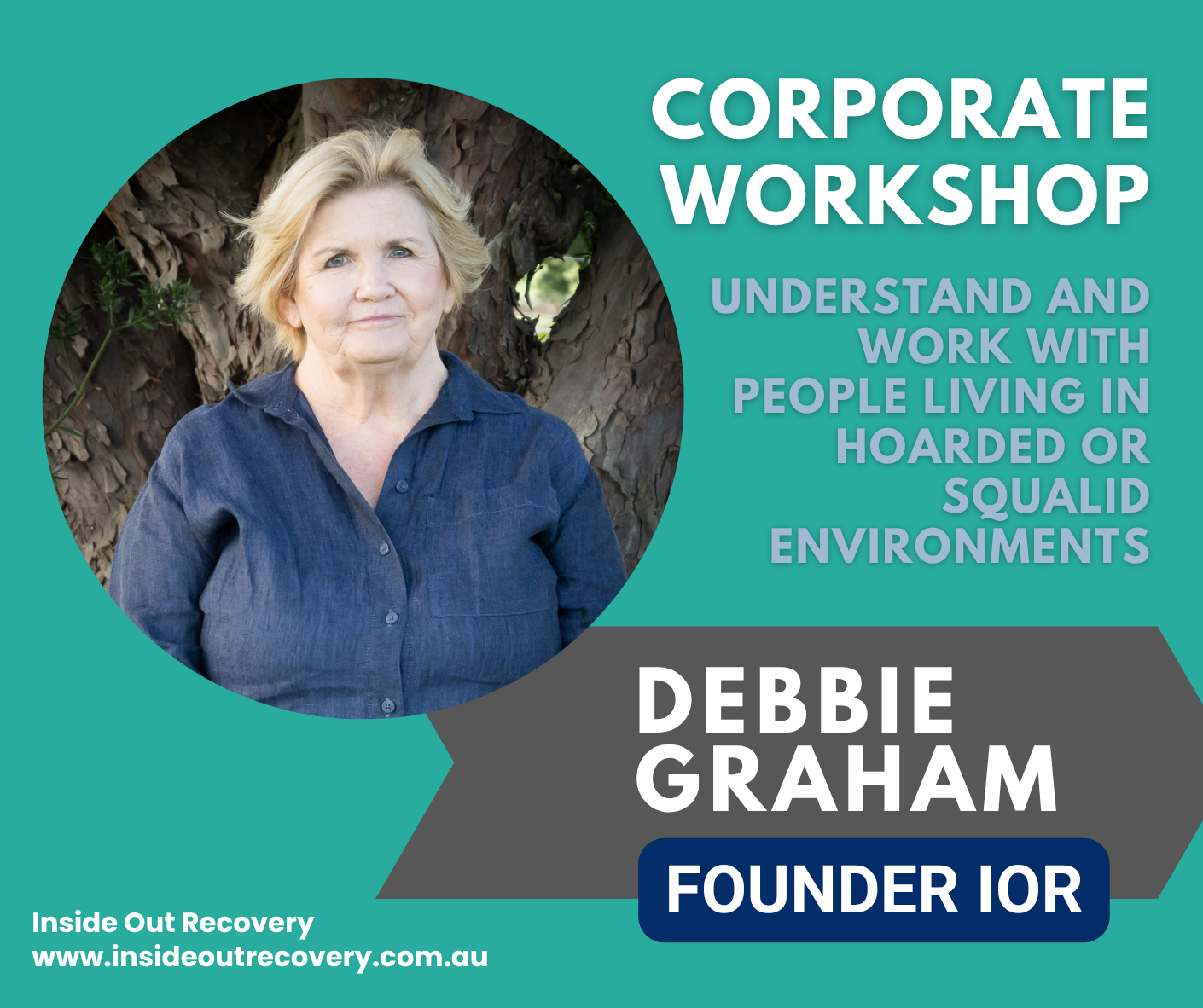
Understand and Work with People Living in Hoarded and/or Squalid Environments
This training provides a comprehensive foundation for understanding Hoarding Disorder and Severe Domestic Squalor by exploring the underlying psychology of clutter and the beliefs individuals hold about their possessions. Participants will also review the DSM 5 diagnostic criteria for both conditions.
Building on this theoretical framework, the course introduces practical tools and evidence informed approaches, including intervention models, self assessment tools, and effective strategies for support.
What you'll learn:
Psychological drivers behind hoarding and squalor
Key beliefs and emotional attachments to possessions
Diagnostic criteria for HD and SDS (DSM5)
Effective vs. ineffective intervention approaches
Practical intervention models in real-world settings
How to use self assessment tools and questionnaires in practice
Who is this course for?
Ideal for frontline professionals including:
Case workers
Mental health practitioners
Family support workers
Community and housing support staff
Workshop Options
2 hour workshop Part 1
Learning Objectives:
Understand Hoarding Disorder (HD) and Sever Domestic Squalor (SDS)
• Understand the DSM-5 and its relationship to providing support.
• Effectively identify the presence of HD & or SDS
2 hour workshop Part 2
Learning Objectives:
Understand the behaviours, psychology and emotional attachments that underpin these
disorders.
Effectively use the Assessment tools to inform work practice.
Explore strategies for support.
4 hour workshop -
Understand Hoarding Disorder (HD) and Severe Domestic Squalor (SDS) – including the DSM5 Diagnostic Criteria
Understand the behaviours, psychology and emotional attachments that people with HD & SDS experience.
Effectively use the Assessment tools to inform work practice.
Explore strategies for support.
1 day Workshop - 9:30am – 4:30pm
Learning Objectives:
Understanding HD and SDS including the DSM5 Diagnostic Criteria
Understanding the impacts and potential safety hazards of living in a cluttered and or squalid environment
Unpacking the psychological, emotional attachments and behaviours that underpin these disorders
Understanding of and how to use the assessments and resources to inform work practice, including peer led programs
2 day Workshop - 9:30am - 4:30pm both days
Learning Objectives:
Understand Hoarding Disorder (HD) and Severe Domestic Squalor (SDS)
Understand the behaviours, psychology and emotional attachments that people with HD and SDS experience
Effectively identify the presence of HD & or SDS
Identify appropriate intervention strategies – what works / what doesn’t
Effectively use Assessment tools
Day 1: 9:30am – 4:30pm
Understanding HD and SDS – including the DSM5 Diagnostic Criteria
Understanding the impacts and potential safety hazards of living in a cluttered and or squalid environment
Exploring the brain connection
The impacts on children and other people residing in the home including fire risks
Understanding animal hoarding and the impacts on family members
The meaning of stuff, including the ‘Iceberg of Clutter’
Day 2: 9:30am – 4:30pm
Unpacking the psychological, emotional attachments and behaviours that underpin these disorders
Understanding of and how to use the assessments and resources to inform work practice, including peer led programs
Practical decluttering strategies
Case studies
Face to Face or online
Group Bookings: Min 6 people, max 20
This training provides a comprehensive foundation for understanding Hoarding Disorder and Severe Domestic Squalor by exploring the underlying psychology of clutter and the beliefs individuals hold about their possessions. Participants will also review the DSM 5 diagnostic criteria for both conditions.
Building on this theoretical framework, the course introduces practical tools and evidence informed approaches, including intervention models, self assessment tools, and effective strategies for support.
What you'll learn:
Psychological drivers behind hoarding and squalor
Key beliefs and emotional attachments to possessions
Diagnostic criteria for HD and SDS (DSM5)
Effective vs. ineffective intervention approaches
Practical intervention models in real-world settings
How to use self assessment tools and questionnaires in practice
Who is this course for?
Ideal for frontline professionals including:
Case workers
Mental health practitioners
Family support workers
Community and housing support staff
Workshop Options
2 hour workshop Part 1
Learning Objectives:
Understand Hoarding Disorder (HD) and Sever Domestic Squalor (SDS)
• Understand the DSM-5 and its relationship to providing support.
• Effectively identify the presence of HD & or SDS
2 hour workshop Part 2
Learning Objectives:
Understand the behaviours, psychology and emotional attachments that underpin these
disorders.
Effectively use the Assessment tools to inform work practice.
Explore strategies for support.
4 hour workshop -
Understand Hoarding Disorder (HD) and Severe Domestic Squalor (SDS) – including the DSM5 Diagnostic Criteria
Understand the behaviours, psychology and emotional attachments that people with HD & SDS experience.
Effectively use the Assessment tools to inform work practice.
Explore strategies for support.
1 day Workshop - 9:30am – 4:30pm
Learning Objectives:
Understanding HD and SDS including the DSM5 Diagnostic Criteria
Understanding the impacts and potential safety hazards of living in a cluttered and or squalid environment
Unpacking the psychological, emotional attachments and behaviours that underpin these disorders
Understanding of and how to use the assessments and resources to inform work practice, including peer led programs
2 day Workshop - 9:30am - 4:30pm both days
Learning Objectives:
Understand Hoarding Disorder (HD) and Severe Domestic Squalor (SDS)
Understand the behaviours, psychology and emotional attachments that people with HD and SDS experience
Effectively identify the presence of HD & or SDS
Identify appropriate intervention strategies – what works / what doesn’t
Effectively use Assessment tools
Day 1: 9:30am – 4:30pm
Understanding HD and SDS – including the DSM5 Diagnostic Criteria
Understanding the impacts and potential safety hazards of living in a cluttered and or squalid environment
Exploring the brain connection
The impacts on children and other people residing in the home including fire risks
Understanding animal hoarding and the impacts on family members
The meaning of stuff, including the ‘Iceberg of Clutter’
Day 2: 9:30am – 4:30pm
Unpacking the psychological, emotional attachments and behaviours that underpin these disorders
Understanding of and how to use the assessments and resources to inform work practice, including peer led programs
Practical decluttering strategies
Case studies
Face to Face or online
Group Bookings: Min 6 people, max 20